
Forgetting where you kept your keys once in a while is normal. Everyone does it. But when forgetfulness starts showing up more often, or begins interfering with your daily routine, it stops being a small lapse and becomes something worth paying attention to.
Many people brush off early memory problems as “just stress” or “getting older.” Sometimes that’s true. But sometimes, these small changes are the first signals of an underlying neurological issue that deserves a closer look.
This is exactly where a neurological perspective matters. Memory isn’t just about remembering names or appointments it reflects how well your brain’s networks for attention, language, and reasoning are working together. When memory changes persist or worsen, they can point to conditions that respond far better to early treatment than to a “wait and see” approach.
If you’re searching for the neurologist in Thane because a loved one or you have noticed memory slips that feel different from ordinary forgetfulness, this guide will help you understand what to watch for, when to worry, and when it’s time to get a professional evaluation.
Clinical Overview of Memory Loss
Memory loss, in medical terms, refers to an unusual difficulty in recalling information, learning new things, or retaining recently acquired knowledge. It can be sudden or gradual, mild or severe, and temporary or progressive.
Not all memory loss is the same, and that distinction matters. A neurologist looks closely at how often lapses happen, how long they’ve been going on, and how much they affect a person’s ability to manage everyday life work, conversations, finances, or simple tasks like cooking a familiar meal.
Recognizing the pattern of memory loss is often more revealing than a single incident. A person who forgets a name once and remembers it later is very different, clinically, from someone who repeats the same question multiple times within an hour.
Common Early Presentations
- Forgetting recent conversations or appointments more than occasionally
- Repeating questions or stories within a short span of time
- Misplacing items in unusual places (like keeping the remote in the fridge)
- Struggling to find the right word during conversations
- Getting confused about the day, date, or familiar routes
- Difficulty following multi-step instructions or recipes
- Increased reliance on notes or reminders for routine tasks
When these patterns are consistent rather than occasional, a neurologist in Thane uses them as diagnostic clues they help narrow down whether the cause is age-related, lifestyle-driven, or linked to an underlying neurological condition.
Neurological and Systemic Causes
Memory issues rarely have a single cause. They can stem directly from the brain itself, or from a systemic condition that affects brain function indirectly. Understanding both categories helps in choosing the right treatment path.
A. Primary Neurological Causes
Mild Cognitive Impairment (MCI) This is a noticeable decline in memory or thinking skills that’s greater than expected for a person’s age, but doesn’t yet interfere significantly with independent living. Key symptoms include forgetting recent events and losing your train of thought during conversations.
Alzheimer’s Disease A progressive condition where memory loss worsens over time, often beginning with short-term memory and gradually affecting judgment, language, and orientation. Early symptoms include difficulty recalling recent conversations and repeating questions.
Vascular Cognitive Impairment Caused by reduced blood flow to the brain, often linked to small strokes or long-term hypertension. Symptoms typically include slowed thinking, difficulty with planning, and memory gaps that may appear suddenly after a vascular event.
B. Secondary Causes with Neurological Relevance
- Vitamin B12 deficiency: affects nerve function and memory processing
- Thyroid disorders: both hypothyroidism and hyperthyroidism can mimic memory decline
- Chronic stress and anxiety: impair concentration and short-term recall
- Depression: often presents with forgetfulness and mental fog, sometimes mistaken for dementia
- Sleep disorders: including sleep apnea, which disrupts the brain’s memory consolidation process
- Uncontrolled diabetes and hypertension: long-term impact on brain blood vessels
- Certain medications: sedatives and some anti-anxiety drugs can affect memory as a side effect
Lifestyle factors also play a quiet but significant role. Poor sleep, chronic stress, sedentary habits, excessive alcohol use, and social isolation can all accelerate memory difficulties even in people who have no underlying neurological disease. This is why a thorough evaluation looks at the whole picture, not just the symptom in isolation.
Warning Signs Suggesting Neurological Evaluation
Not every memory lapse needs a specialist visit. But certain signs are red flags that shouldn’t be ignored, brushed aside, or explained away as “normal aging.”
Red Flag Indicators
- Memory loss that’s getting worse over weeks or months
- Getting lost in familiar places or neighborhoods
- Difficulty managing finances, medications, or familiar tasks
- Noticeable personality or mood changes alongside memory issues
- Confusion about time, place, or people
- Repeated questions despite being given the answer
- Memory loss following a head injury
- Sudden, severe memory loss (this needs urgent attention)
If any of these signs are present especially if they’re new or worsening it’s a clear signal that a proper neurological assessment is needed rather than continued observation at home.
When Should You Consult a Neurologist?
Many families wait too long before seeking help, often because early memory changes are subtle and easy to rationalize. But early evaluation makes a real difference in outcomes.
Consider consulting a neurologist if you notice:
- Memory lapses that are becoming more frequent or noticeable to others
- Difficulty performing tasks that were once routine and easy
- Family members or colleagues pointing out memory-related changes
- Memory issues accompanied by confusion, mood changes, or difficulty with language
- Memory problems that don’t improve with rest, better sleep, or reduced stress
Consulting a neurologist early doesn’t mean assuming the worst. It means getting clarity and clarity allows for timely, effective treatment, whichever cause turns out to be responsible.
Diagnostic Approach in Neurology
A proper diagnosis goes well beyond a quick conversation. It involves a structured, step-by-step evaluation designed to identify the exact cause of memory changes.
A. Clinical Evaluation
- Detailed medical and family history
- Assessment of onset, duration, and progression of symptoms
- Review of current medications and lifestyle factors
- Cognitive screening tests to assess memory, attention, and language
- Neurological examination to check reflexes, coordination, and sensory function
B. Investigations
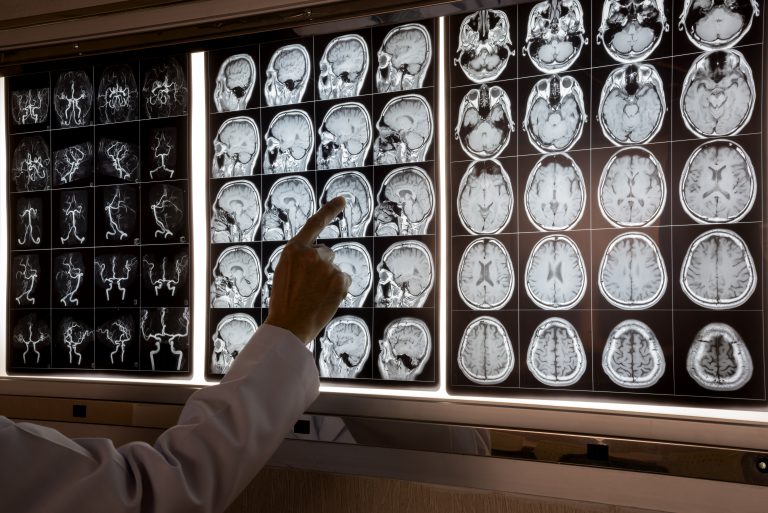
- MRI brain: to detect structural changes, shrinkage, or vascular damage
- Blood tests: to rule out thyroid dysfunction, vitamin deficiencies, and infections
- Cognitive assessment tools: standardized tests to measure the degree of impairment
- Additional tests: such as sleep studies or metabolic panels, when indicated
These investigations help a neurologist distinguish between reversible causes (like a vitamin deficiency or thyroid issue) and progressive neurological conditions a distinction that directly shapes the treatment plan.
Classification and Clinical Significance
Type of Memory Loss | Key Characteristics | Neurological Significance |
Age-associated forgetfulness | Occasional, non-progressive lapses | Generally not concerning |
Mild Cognitive Impairment | Noticeable decline, independence preserved | Requires monitoring and evaluation |
Alzheimer’s disease | Progressive, affects daily functioning | Needs long-term neurological management |
Vascular cognitive impairment | Sudden or stepwise decline | Linked to blood flow and vascular health |
Reversible causes (B12, thyroid, depression) | Variable presentation, often treatable | Resolves with treatment of underlying cause |
Treatment Strategies Under Neurological Care
Treatment for memory loss isn’t one-size-fits-all. It depends heavily on the underlying cause, and effective care usually combines medical management with lifestyle and supportive strategies.
A. Medical Management
- Treating underlying deficiencies (such as B12 or thyroid correction)
- Medications to slow progression in conditions like Alzheimer’s disease
- Managing contributing conditions like hypertension and diabetes
- Addressing depression or anxiety when they’re contributing factors
B. Supportive and Preventive Measures
- Structured sleep routines
- Regular physical activity
- Balanced, brain-healthy nutrition
- Cognitive engagement puzzles, reading, learning new skills
- Stress management techniques
- Reducing alcohol intake and avoiding smoking
C. Advanced Neurological Interventions
- Comprehensive cognitive rehabilitation programs
- Long-term monitoring for progressive conditions
- Multidisciplinary care involving neurologists, dietitians, and mental health professionals when needed
A structured, personalized treatment plan doesn’t just slow down memory decline where relevant it also improves d
Importance of Early Neurological Evaluation
Early evaluation changes outcomes. When memory issues are caught early, there’s a much wider window for intervention whether that means correcting a reversible cause or starting treatment that slows progression of a chronic condition.
Early detection also means:
- Reversible causes are identified and treated before they cause lasting effects
- Families get time to plan and adapt, rather than facing a crisis
- Treatment strategies can be started when they’re most effective
- Patients maintain independence and quality of life for longer
Delaying evaluation, on the other hand, often means losing the opportunity for the most effective interventions.
Conclusion
Occasional forgetfulness is a normal part of life. But when memory lapses become frequent, progressively worse, or start disrupting daily routines, they deserve more than a passing shrug they deserve a proper neurological evaluation.
Understanding the difference between ordinary forgetfulness and a warning sign can make all the difference in outcomes. With the right diagnosis and a personalized treatment plan, many causes of memory loss can be managed effectively, and some can be reversed entirely.
If you or someone you love has been noticing these changes, don’t wait for things to get worse before seeking help.
Frequently Asked Questions
When should memory loss become a concern?
When lapses become frequent, worsen over time, or start interfering with daily tasks like managing finances, cooking, or following conversations, it’s time to get it evaluated rather than dismissed as normal aging.
Is forgetfulness always a sign of Alzheimer's disease?
No. Many cases of memory difficulty are linked to stress, poor sleep, vitamin deficiencies, or thyroid issues all of which are treatable. A proper evaluation is the only way to know for certain.
What tests are done to check for memory loss?
Common tests include cognitive screening assessments, blood tests to rule out deficiencies or thyroid problems, and an MRI brain scan to check for structural changes.
Can stress and lack of sleep cause memory problems?
Yes. Chronic stress and poor sleep quality significantly affect concentration and short-term memory, and improving both often leads to noticeable improvement.
Is memory loss reversible?
Some causes, like vitamin deficiencies, thyroid imbalances, and depression, are reversible with proper treatment. Others, like Alzheimer’s disease, are progressive but can be managed to slow decline.
Consult Dr Deepak Aiwale: Expert Neurologist
If you’ve noticed memory lapses, confusion, or cognitive changes that feel different from ordinary forgetfulness, it’s worth getting a professional opinion rather than waiting it out.
As one of the trusted names for neurological care, Dr Deepak Aiwale brings years of clinical experience in diagnosing and managing memory-related conditions from reversible causes like vitamin deficiencies to more complex neurological disorders.
If you’re looking for the neurologist in Thane for a thorough, compassionate evaluation of memory concerns, Dr Deepak Aiwale offers personalized neurological care built around your specific symptoms, history, and needs.
Early evaluation is the first step toward clarity and toward protecting the memories, independence, and quality of life that matter most.
Contact Details
Dr Deepak Aiwale-Neurologist in Thane
Solaris Hospital, Ghodbunder Road, Service Road, Next to A.P. Shah Technology Institute, Kasarvadavali, Thane West, Thane, Maharashtra 400615
For Appointment
Timings
Open: 07:00 AM - 11:30 PM